

Table of Contents
- Why Durable Gym Clothes Matter for Heavy Squats
- Squat-Proof Leggings: Opacity, Coverage, and Fabric Weight
- Best Fabric for Gym Clothes That Withstands Heavy Training
- Reinforced Workout Leggings: Seams, Waistbands, and Durability
- Building a Complete Outfit for Heavy Squat Sessions
- How to Care for Gym Clothes to Maximize Durability
- Signs Your Gym Clothes Need Replacing
- Frequently Asked Questions
Last Updated: October 10, 2026
Why Durable Gym Clothes Matter for Heavy Squats
When you're lifting heavy, your clothes take a beating. Barbell squats create intense friction, repeated stretching, and constant pressure on fabric. Standard gym wear tears at the seams, pills after a few weeks, and loses its shape. Durable gym clothes for heavy squats are engineered differently, they're built to handle the punishment of serious training.
The stakes are real. Cheap leggings split during a max-effort squat. Seams separate. Waistbands roll down mid-set. This isn't just uncomfortable; it breaks your focus and derails your training. You need apparel that moves with you, supports you, and lasts through months of heavy work.
At Tru Nobilis, we've designed our training apparel around this exact problem. Streetwear-inspired, built tough, and made to outlast your grind. The difference comes down to three things: fabric composition, construction quality, and care. Get those right, and your clothes will outlive your training cycles.

Squat-Proof Leggings: Opacity, Coverage, and Fabric Weight
The foundation of any serious squat outfit is squat-proof leggings. This means zero transparency when you're at the bottom of a heavy squat, regardless of your body type or skin tone. Opacity isn't a nice-to-have, it's non-negotiable for confidence and professionalism in a gym setting.
Fabric weight is the primary driver of opacity. Lightweight fabrics (under 200 grams per square meter) are transparent under tension. Medium-weight fabrics (200-250 grams) offer better coverage but can feel restrictive. Heavy-weight fabrics (250+ grams) provide maximum opacity but sacrifice breathability and mobility.
Coverage matters equally. High-waisted designs protect your lower back and prevent the waistband from rolling during loaded movements.
How to Test Squat-Proof Opacity at Home
Before committing to a pair, test the opacity yourself. Put on the leggings and stand in front of a mirror in natural daylight. Now squat down fully, go deeper than you would in the gym. Have someone shine a flashlight or phone light behind you from different angles. If you see any skin tone showing through, the leggings aren't squat-proof enough.
A second test: wear them over a white or light-colored undergarment. Squat deeply. If the undergarment is visible through the fabric, especially around the glutes and thighs, the opacity is insufficient. This test works regardless of your skin tone.
The third check is durability under stress. Pinch the fabric between your fingers and stretch it aggressively. If it turns translucent under tension, it will fail during heavy squats when the fabric is pulled tight across your body. Squat-proof leggings should remain opaque even when stretched to their limit.
Best Fabric for Gym Clothes That Withstands Heavy Training
Fabric choice determines whether your clothes survive three months or three years of heavy training. The best fabrics for durable gym clothes balance stretch, recovery, breathability, and abrasion resistance.
Polyester dominates high-performance activewear for good reason. It's naturally moisture-wicking, recovers quickly after stretching, and resists pilling better than most alternatives. High-quality polyester holds its shape through hundreds of wash cycles.
Spandex (also called elastane or Lycra) provides the stretch. This percentage gives you the four-way stretch you need for squat mobility without sacrificing durability.
Polyester-Spandex Blends vs. Cotton Alternatives
An 82% polyester, 18% spandex blend delivers opacity, durability, and four-way stretch in a single package. The polyester handles the structural load while the spandex provides the recovery and mobility.
Cotton blends (60% cotton, 40% polyester) feel softer initially. Cotton absorbs sweat, which makes the fabric heavier and slower to dry. During a heavy squat session, sweat-soaked cotton clings to your skin and restricts movement. The cotton fibers also break down faster under repeated washing, causing the fabric to pill and lose shape.
A 60% cotton, 40% polyester blend works for casual gym sessions or light cardio.
The Tru Nobilis Sports Bra uses an 82% polyester, 18% spandex blend with four-way stretch material. This composition ensures the bra recovers from the intense compression of heavy squats while maintaining its shape session after session. The flat seams and bias binding eliminate rubbing, which matters when you're wearing the same bra three to five times per week.
Reinforced Workout Leggings: Seams, Waistbands, and Durability
Construction quality separates clothes that last from clothes that fail. Two identical fabrics can produce vastly different durability depending on how they're sewn together.
Seams are where most gym clothes fail. Reinforced seams use double stitching, heavier thread, and strategic placement to distribute load across multiple anchor points. A reinforced seam in the crotch area can handle repeated heavy squats without splitting.
Waistbands take constant stress from loading weight and the friction of your body moving inside the leggings. A weak waistband rolls, bunches, or stretches out of shape. A reinforced waistband uses multiple layers of fabric and elastic, distributes pressure evenly, and maintains its grip through hundreds of training sessions.
Flat seams and bias binding eliminate rubbing and chafing. Standard seams create a ridge that irritates skin during intense training. Flat seams lie flush against your body, reducing friction and increasing comfort during long sessions. Bias binding finishes the edges cleanly and prevents unraveling.
What to Look for in Seam Construction
Run your finger along the inside seams. They should feel smooth with no rough edges or loose threads. Rough seams indicate poor finishing and will cause chafing during training.
Compression and Four-Way Stretch
Four-way stretch means the fabric stretches equally in all directions: lengthwise (up and down), crosswise (side to side), and diagonally. This matters for squats because your legs move in multiple planes simultaneously. You need fabric that accommodates forward and backward movement, side-to-side movement, and the rotational component of a heavy squat.
Two-way stretch fabrics only stretch lengthwise and crosswise. They restrict diagonal movement, which limits your range of motion and creates binding sensations during deep squats. Four-way stretch eliminates this restriction.
Building a Complete Outfit for Heavy Squat Sessions
A squat outfit isn't just leggings. You need a coordinated system: supportive leggings, a sports bra that doesn't bounce or shift, and a top that moves with you without getting in the way.
Start with squat-proof leggings as your foundation. High-waisted, 82% polyester or higher, reinforced seams. The leggings should feel secure from waist to ankle with no rolling or shifting.
Layer with a supportive sports bra. The Tru Nobilis Sports Bra offers support material in the shoulder straps and a double-layer front with a wide elastic band. This construction prevents bounce and maintains support through heavy compound movements. The four-way stretch material moves with your body rather than against it. For athletes doing heavy squats, this level of support is non-negotiable.
Top it with a fitted tank top or t-shirt that doesn't hang loose. A fitted tank with a racerback design keeps your shoulders free and prevents the straps from sliding during loaded movements.
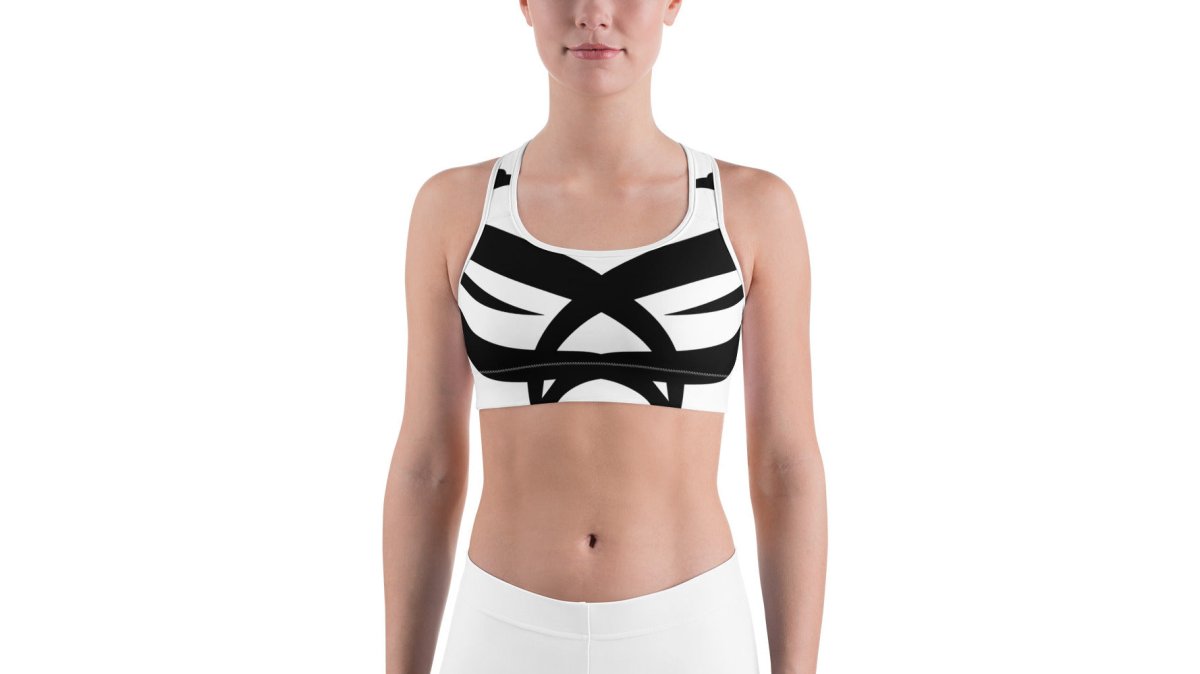
The complete outfit should feel like a second skin. No rolling, no shifting, no chafing. Your attention should be entirely on the weight and the movement, not on adjusting your clothes mid-set.
How to Care for Gym Clothes to Maximize Durability
How you wash and store your clothes determines whether they last one season or five. Most people ruin their gym clothes through careless care.
Washing, Drying, and Storage Best Practices
Wash gym clothes in cold water with a gentle detergent. Hot water breaks down elastic fibers and causes colors to fade. Standard laundry detergent is too harsh, use a sports-specific detergent that's gentler on spandex.
Turn leggings inside out before washing. This reduces friction on the outer surface and prevents pilling. Zip up any zippers and close any velcro to prevent snagging.
Use a mesh laundry bag if you wash multiple pieces together. This prevents friction between garments and reduces pilling and abrasion.
Skip the fabric softener. It coats the fibers and reduces moisture-wicking performance. Your gym clothes need to breathe and dry quickly, fabric softener works against that.
Air dry everything. Machine drying damages spandex and causes shrinkage. Hang your leggings and sports bra on a drying rack or clothesline. They'll dry in 12-24 hours depending on humidity.
Store in a cool, dry place. Moisture and heat degrade elastic fibers. A drawer in your bedroom is fine; a hot, humid bathroom closet will shorten the lifespan of your clothes.
Never iron gym clothes. The heat damages the fibers and can melt the spandex. If wrinkles are a concern, hang your clothes immediately after drying.
Wash after every two to three wears, depending on intensity.
Signs Your Gym Clothes Need Replacing
Even the most durable gym clothes eventually wear out. Knowing when to replace them prevents embarrassing failures mid-workout.
Visible pilling indicates the fabric is breaking down. Small pills are cosmetic, but extensive pilling means the fibers are deteriorating and durability is compromised. Once pilling becomes widespread, replacement is near.
Loss of opacity is a clear sign. If leggings that were squat-proof are now transparent during heavy squats, the fabric has lost its integrity. This happens when fibers break down from repeated stretching and washing.
Waistband rolling or slipping means the elastic has lost its grip. This is a safety issue during heavy lifting, you need secure clothing that won't distract you mid-set.
Seam separation is an obvious failure point. If seams are splitting or pulling apart, the garment is done. Attempting to repair seams usually fails because the surrounding fabric is already weakened.
Loss of compression or stretch indicates the spandex has degraded. When leggings feel loose or baggy instead of snug, replacement is overdue.
Persistent odor that doesn't wash out means bacteria have penetrated the fibers. This is more of a comfort issue than a durability issue, but it signals that the fabric is breaking down.
The difference between gym clothes that survive your training and clothes that fail comes down to fabric choice, construction quality, and care. Durable gym clothes for heavy squats use polyester-spandex blends, reinforced seams, and supportive designs. They're built to handle barbell training, not just casual gym sessions.
At Tru Nobilis, we've engineered our training apparel specifically for this purpose. The Tru Nobilis Sports Bra combines 82% polyester and 18% spandex with four-way stretch, flat seams, and reinforced shoulder straps. The result is apparel designed to outlast your grind. Shop our collection and experience the durability difference that serious training demands.
Frequently Asked Questions
What makes durable gym clothes different from regular activewear?
Durable gym clothes for heavy squats use reinforced seams and blends like 82% polyester with 18% spandex that recover after repeated stretching. Regular activewear often uses lighter fabrics and standard stitching that breaks down under barbell tension. Reinforced workout leggings also feature flatlock or bias-binding seams, and waistbands designed to stay secure without rolling during heavy lifts.
How do I test squat-proof opacity at home?
Put on the leggings and perform a deep squat in front of a mirror with bright light behind you. If you see your skin tone or undergarments through the fabric, they are not squat-proof. A true squat-proof garment should show no transparency even at full depth. Look for leggings with a double-layer front to pass this test consistently.
What is the best fabric for gym clothes used during heavy barbell training?
Polyester-spandex blends (typically 82% polyester, 18% spandex) are effective for heavy training. Polyester resists pilling, dries quickly, and maintains shape through repeated compression and stretching. The spandex provides four-way stretch and recovery, critical for deep squats and deadlifts. Avoid 100% cotton for heavy lifting; it absorbs sweat, loses elasticity, and stretches out permanently. Moisture-wicking properties keep you dry during intense sessions.
How should I care for gym clothes to make them last longer?
Wash in cold water on a gentle cycle and turn leggings inside-out to reduce pilling and abrasion. Avoid fabric softeners and bleach, which degrade spandex. Air-dry whenever possible; high heat damages elastic fibers. Replace immediately if you notice seam separation, permanent waistband roll, or consistent transparency, these are signs the garment cannot support your training anymore.